

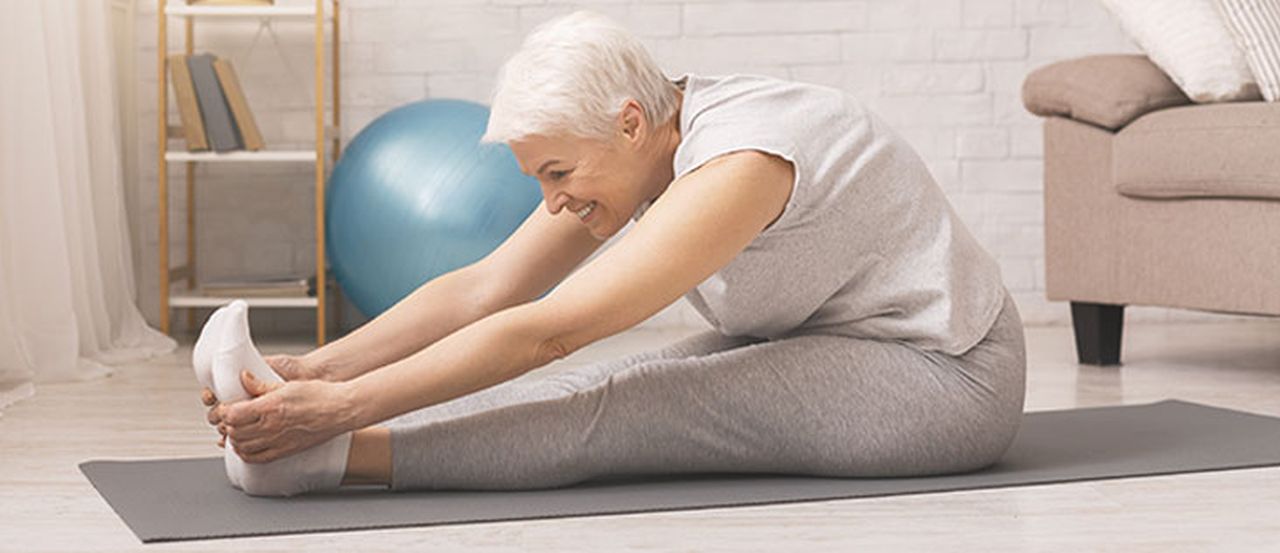
Everybody will tell you that regular exercise has huge benefits for both your physical and mental health and this is especially true for women going through the Menopause. As your body goes through a number of changes, this is an important reminder that you need to take care of yourself.
As your body’s natural levels of oestrogen decline, fat increases whilst bone density, muscle mass and strength decrease. Exercise can help you through this period of your life, which can be challenging and leave you feeling better than ever. You don’t have to be a former Olympic athlete or even somebody that has ever exercised before to benefit as regular physical activity can make a difference to everybody.
There are a number of benefits :
- Increased heart health - pre-menopausal women are better protected than men from the risks of cardiovascular disease, one of the main reasons being the natural levels of oestrogen. This increases good cholesterol whilst reducing bad and looks after your blood circulation. When a woman is menopausal, all of this is reduced and the reverse is true.
The Menopause is one of the most important periods of your life as you are able to combat some of the changes that are naturally occurring in your body.
By exercising regularly, you can reduce your blood pressure and heart rate, lose weight, build up good cholesterol, regulate and control blood sugar which can reduce your risk of developing diabetes, strengthen your muscles and reduce stress. - Bone health - oestrogen helps to keep your bones strong. As the levels of oestrogen begin to reduce, then the osteoblasts (cells which produce new bone) are no longer as effective in producing or replacing bone. The cells that break down and absorb bone tissue (osteoclasts) increase and this results in a relative bone loss, which increases the risk of fracture.
Working out can help counter some of this bone loss. Strengthening and weight-bearing exercises stimulate your bone cells which can help maintain and improve bone density. - Weight Management - by the time you get to your early 30s, you realise you’re your metabolism is slowing down. The hormone changes you are going through means it is easier to put weight on. The menopause affects weight gain in two ways :
- Reduction of lean muscle mass – the more muscle mass on your body, the higher your metabolic rate. A decline in oestrogen is associated with a decline in muscle mass which means there will be relatively more fat in your body
- Increase of visceral fat – oestrogen helps regulate glucose and fat metabolism which regulate your weight. When your body starts to lose oestrogen, blood sugar is used less effectively and it leads to an increase in fat storage, usually visible on the stomach. The fat then starts to build up around the stomach and the organs and this is called visceral fat. It has been linked to many health problems such as heart disease, type 2 diabetes, high blood pressure and high cholesterol.
As well as lowering oestrogen levels, older women tend to be less active, burning less calories on a daily basis and this can also increase the risk of weight gain during the menopause. Whilst exercise alone will not keep the weight off, having a balanced diet and managing your portion size will help you transition through the menopause.
- Symptom Relief - research has shown that people who are more active have less severe symptoms than women who are sedentary. And less hot flushes! It has been shown that exercise can help prevent the symptoms of the menopause.
- Boost Self Esteem - every woman experiences the menopause differently. The lucky ones barely notice any changes whereas some women will battle with more severe symptoms, which means that they do not feel at their best during this time. This can place strain on any relationships, both at home and in the workplace. You may have moments when you are feeling down. Exercise is an amazing stress reliever and boosts mental health in people suffering from anxiety and depression. Research has shown that over time, physical activity is associated with higher levels of self-worth and menopause-related quality of life.
Ready to start your recovery journey?
Book an assessment with our expert physiotherapists today.
