

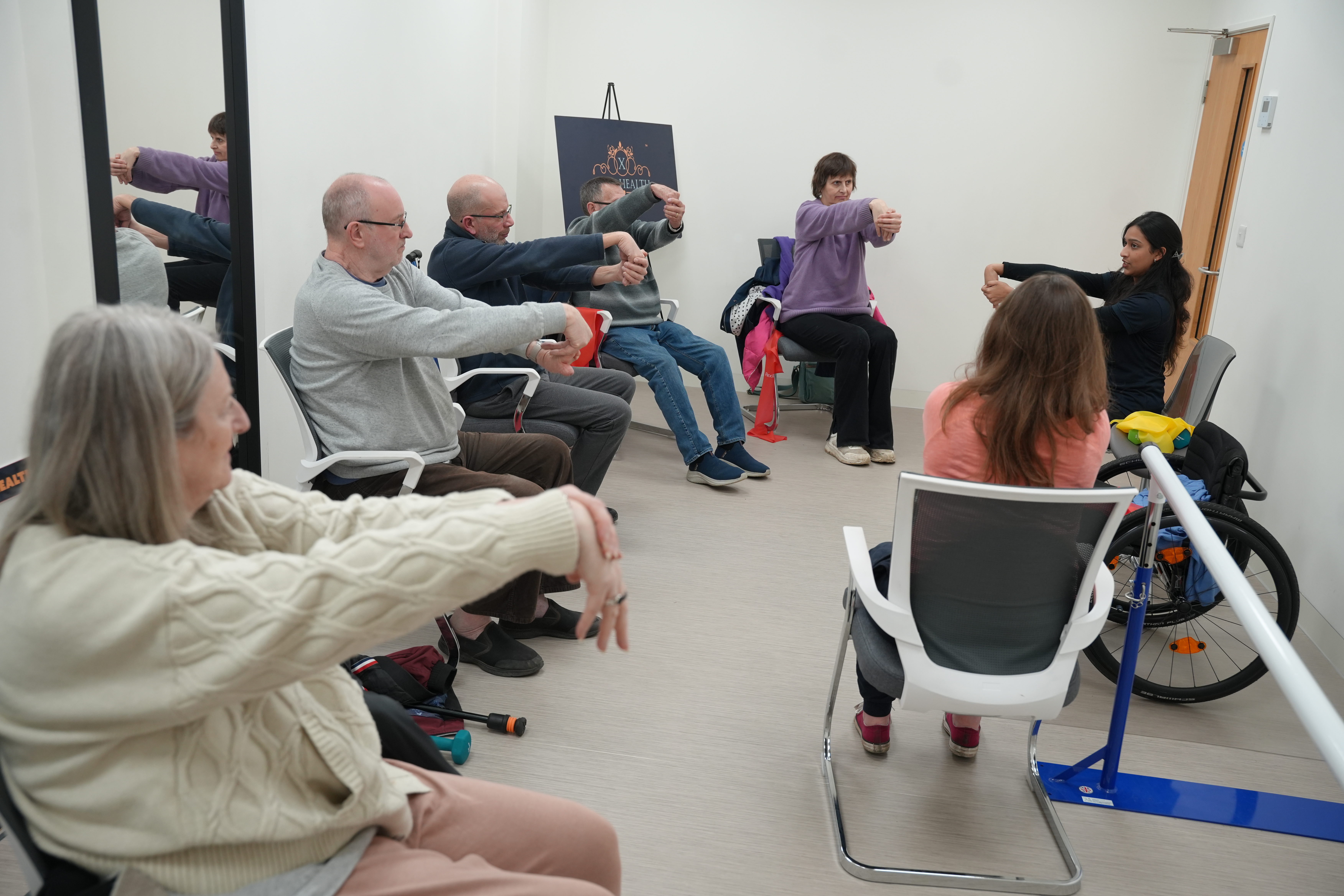
As we age, maintaining an active lifestyle becomes one of the most powerful tools we have to preserve independence, prevent injury, and improve overall quality of life. At Xcel Health, we frequently see how targeted exercise particularly strength and mobility training can transform the health and confidence of older adults.
This blog explores why movement matters, and how strength training, mobility exercises, and balance work together to reduce the risk of falls, fractures, and conditions such as osteoporosis.
The Ageing Body: What Changes?
Ageing naturally leads to:
• Loss of muscle mass (sarcopenia)
• Reduced bone density (osteopenia → osteoporosis)
• Decline in balance and coordination
• Reduced joint mobility and flexibility
These changes significantly increase the risk of falls and fractures, which are a major cause of hospitalisation in older adults. In fact, around 30% of adults over 65 experience at least one fall each year.
Why Exercise is the Most Effective Intervention
Exercise is not just beneficial it is essential medicine for healthy ageing.
Research shows that structured exercise programmes:
• Reduce the risk of falls and fall-related injuries
• Improve muscle strength and functional independence
• Lower the risk of fractures by 26% in older adults
Importantly, the combination of strength, balance, and mobility training is far more effective than any single type of exercise alone.
1. Strength Training: The Foundation of Healthy Ageing
Strength training (resistance exercise) is one of the most important components of any programme for anyone.
Key Benefits
• Preserves and builds muscle mass
• Improves joint stability
• Enhances posture and walking ability
• Supports metabolic and cardiovascular health
Critically, strength training also stimulates bone formation, helping to slow or even reverse bone loss associated with osteoporosis.
Bone responds to mechanical loading when muscles pull on bones during resistance exercises, it signals the body to increase bone density.
2. Osteoporosis and Bone Health
Osteoporosis is a condition where bones become weak and fragile, increasing fracture risk particularly in the hip, spine, and wrist.
How Exercise Helps
• Resistance training increases bone mineral density
• Weight-bearing activity strengthens skeletal structure
• Improved strength reduces impact severity during falls
Evidence shows that exercise programmes can significantly reduce fracture risk in older adults .
At Xcel Health, we emphasise safe, progressive loading tailored to each individual’s capacity.
3. Balance and Fall Prevention
Falls are rarely caused by a single factor they are usually the result of:
• Weak muscles
• Poor balance
• Reduced reaction time
Exercise directly addresses all three.
What the Evidence Says
• Multicomponent exercise (strength + balance + mobility) reduces fall risk
• Long-term programmes significantly lower fall incidence
These exercises improve proprioception and coordination, helping individuals react quickly and safely to loss of balance.
4. Mobility and Functional Movement
Mobility is often overlooked, but it is vital for maintaining independence.
Why Mobility Matters
• Improves joint range of motion
• Reduces stiffness and pain
• Enhances movement efficiency
• Supports daily activities like:
• Walking
• Climbing stairs
• Getting up from a chair
Functional exercises such as sit-to-stands, step-ups, and reaching movements translate directly into real-life activities.
5. Generalised Movement = Independence
One of the key messages we promote is:
“Movement is medicine, but consistency is key.”
Even simple, regular activity can:
• Improve confidence and mental wellbeing
• Reduce risk of chronic diseases (e.g. diabetes, heart disease)
• Maintain independence for longer
Exercise is one of the most powerful interventions available to older adults. It not only improves physical health but also restores confidence, independence, and quality of life.
At Xcel Health, our goal is to help individuals move better, feel stronger, and live healthier regardless of age or starting point.
It is never too late to start. Even small, consistent steps can lead to significant improvements.
We offer tailored exercise classes for older adults, focused on strength, balance, and mobility in a safe, supportive setting.
Ready to start your recovery journey?
Book an assessment with our expert physiotherapists today.
