

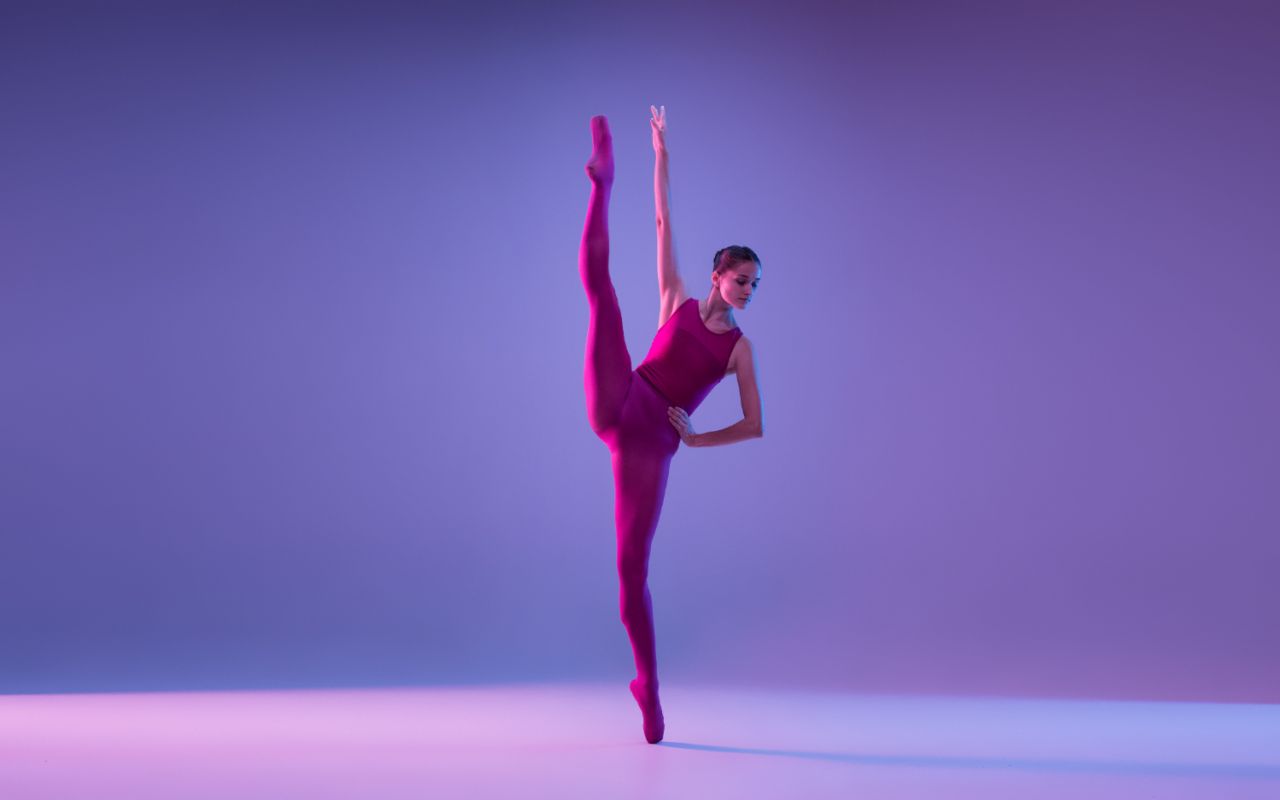
For ballet dancers, their feet are more than just a means of movement—they're the foundation of their art. Yet the very demands that make ballet so beautiful can lead to one of the most frustrating foot conditions: plantar fasciitis. As both a common and potentially career-impacting condition, understanding its relationship with ballet is crucial for dancers at all levels.
The Perfect Storm: Why Ballet Dancers Are Susceptible
Ballet creates unique stresses on the plantar fascia, the thick band of tissue that runs from your heel to your toes. The combination of repetitive relevés, pointed feet, and hours of practice on hard surfaces places extraordinary demands on this crucial structure.
When you factor in:
• The extreme ranges of motion required in ballet positions
• The constant impact from jumps and landings
• The minimal support provided by traditional ballet shoes
• The tendency to dance through initial discomfort
It becomes clear why dancers are particularly vulnerable to this condition.
Common contributing factors:
1. Rigid Supinated Foot / Lack of Defirmation en Fondu
2. Excessive, Sustained Pronation
3. Poor Windlass Mechanism
4. Tight Superficial Back Line
Recognizing the Warning Signs
Early identification is key to preventing chronic issues. Ballet dancers should be particularly alert to:
The characteristic morning pain when taking those first steps out of bed is often more pronounced in dancers, as the plantar fascia has tightened overnight after intense rehearsals. Pain typically intensifies during relevés and when landing from jumps, making these movements early warning signs that shouldn't be ignored.
Prevention Strategies for Dancers
Rather than waiting for pain to develop, proactive measures can help protect your feet:
Proper Warm-Up Protocol
Begin each dance session with gentle foot exercises. Roll through the feet deliberately during pliés and tendus before attempting any jumps or pointe work. A thorough warm-up increases blood flow and prepares the fascia for the demands ahead.
Cross-Training Wisdom
While ballet training is paramount, incorporating complementary activities can strengthen supporting muscles and promote better foot health. Swimming and Pilates can maintain fitness while giving your feet a break from impact.
Treatment Approaches for the Dancing Artist
When plantar fasciitis does develop, treatment must balance recovery with the practical demands of dance:
Immediate Actions
• Ice massage after class or performance
• Gentle stretching of the calf muscles and plantar fascia
• Modified training schedule to allow adequate healing
• Professional taping techniques to support the arch during class
Long-Term Management
• Custom orthotic solutions that work with dance shoes
• Regular manual therapy to maintain tissue mobility
• Strengthening exercises for the intrinsic foot muscles
• Proper shoe fitting and replacement schedule
The Road Back to Dance
Recovery doesn't mean completely stopping dance—it means dancing smarter. Work with your healthcare team to develop a graduated return-to-dance protocol that might include:
1. Modified barre work with reduced relevés
2. Progressive return to center work
3. Careful reintroduction of jumping
4. Final return to full pointe work or performance demands
Conclusion
Plantar fasciitis doesn't have to end a dance career, but it demands respect and attention. By understanding the condition, implementing preventive measures, and addressing symptoms early, dancers can maintain their artistic excellence while protecting their most precious tools—their feet.
Remember, seeking help isn't a sign of weakness; it's a mark of professionalism. Many renowned dancers have faced and overcome plantar fasciitis through proper care and patience. Your feet are your foundation—treat them accordingly.
Ready to start your recovery journey?
Book an assessment with our expert physiotherapists today.
