

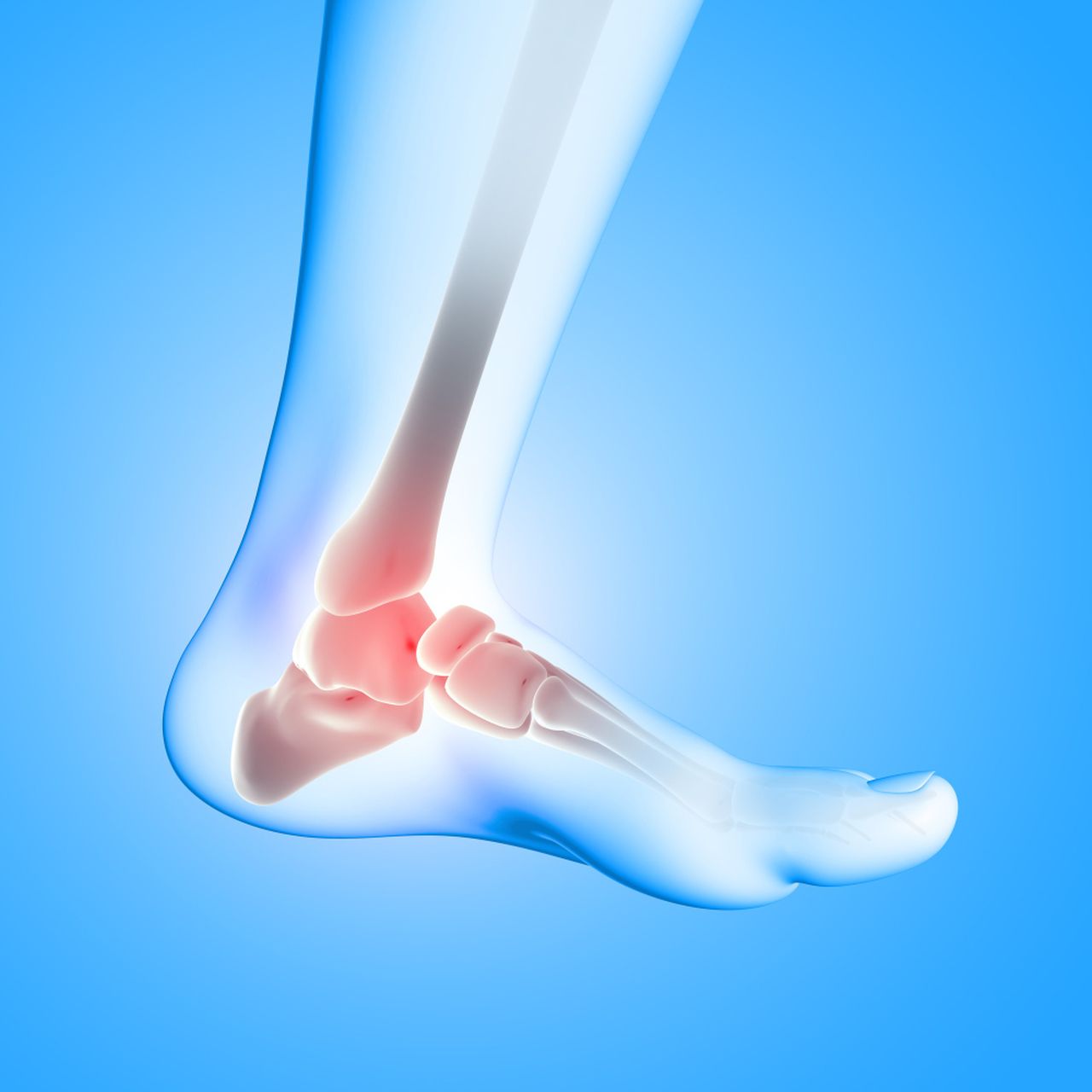
As a physiotherapist, I often see patients struggling with ankle instability and recurring injuries. One common factor that frequently goes overlooked is the presence of flat feet, also known as pes planus or fallen arches. In this blog post, we'll explore the intricate relationship between flat feet and ankle instability, and discuss how addressing this underlying issue can lead to better patient outcomes.
Understanding Flat Feet
Flat feet occur when the arch of the foot collapses, causing the entire sole of the foot to contact the ground. While some people are born with flat feet, others may develop this condition over time due to ageing, injury, or certain medical conditions.
The Biomechanical Impact of Flat Feet
To understand how flat feet contribute to ankle instability, we need to look at the biomechanics of the foot and ankle:
Overpronation: Flat feet tend to overpronate, meaning the foot rolls inward excessively when walking or running. This puts additional stress on the ankle joint and the surrounding ligaments.
Altered Alignment: The collapse of the arch changes the alignment of the entire lower leg, affecting how forces are distributed through the ankle joint.
Reduced Shock Absorption: The arch of the foot normally acts as a natural shock absorber. Without this mechanism, more force is transmitted to the ankle joint.
How Flat Feet Lead to Ankle Instability
Ligament Stress: Overpronation stretches the ligaments on the inner side of the ankle, potentially leading to laxity and reduced support.
Muscle Imbalances: Flat feet can cause some muscles to work overtime while others become underused, creating imbalances that compromise ankle stability.
Proprioception Changes: The altered foot position can affect proprioception – your body's ability to sense its position in space – making it harder to react to sudden changes in terrain or direction.
Fatigue: The inefficient movement patterns caused by flat feet can lead to quicker fatigue of the muscles supporting the ankle.
Common Injuries Associated with Flat Feet and Ankle Instability
- Ankle sprains
- Posterior tibial tendon dysfunction
- Plantar fasciitis
- Achilles tendonitis
- Stress fractures
Physiotherapy Interventions
As physiotherapists, we can help patients with flat feet improve their ankle stability through various interventions:
Custom Orthotics: Providing proper arch support can help correct overpronation and improve overall foot and ankle alignment.
Strengthening Exercises: Focusing on the muscles that support the arch and ankle can improve stability. Key exercises include:
- Heel raises
- Toe curls
- Ankle inversion/eversion exercises
- Single-leg balance training
Flexibility Training: Stretching tight calf muscles and the plantar fascia can help improve foot mechanics.
Gait Training: Teaching patients how to walk and run with proper form can reduce stress on the ankles.
Proprioceptive Training: Exercises that challenge balance and foot position awareness can improve overall ankle stability.
Taping or Bracing: In some cases, temporary support through taping or bracing can help as patients work on long-term solutions.
Conclusion
Understanding the role of flat feet in ankle instability is crucial for both physiotherapists and patients. By addressing this underlying issue, we can not only treat current ankle problems but also prevent future injuries. Remember, every patient is unique, and treatment plans should be tailored to individual needs and goals. If you're dealing with recurring ankle issues, consider having your foot structure assessed by a physiotherapist or podiatrist.
By taking a comprehensive approach that addresses foot structure, muscle strength, flexibility, and movement patterns, we can help patients achieve better ankle stability and overall lower limb function.
Ready to start your recovery journey?
Book an assessment with our expert physiotherapists today.
