

Physiotherapy
Saini
October 7, 2025
In today’s fast-paced world, maintaining physical fitness is more than just aesthetics, it’s about function, injury prevention, and overall well-being. Three pillars of effective training-strength, conditioning, and balance-work together to optimize performance and reduce the risk of injury. Here’s what the research tells us about why each component matters.
1. Strength Training
Strength training is the foundation of muscular fitness. It involves exercises designed to improve muscle force production, endurance, and power. Research has consistently shown that strength training:
• Increases muscle mass and bone density, reducing the risk of osteoporosis and age-related muscle loss (sarcopenia).
• Improves metabolic health, enhancing insulin sensitivity and supporting healthy body composition.
• Reduces risk of injury, particularly in the lower back and knees, by strengthening the muscles that support joints and stabilizing the spine.
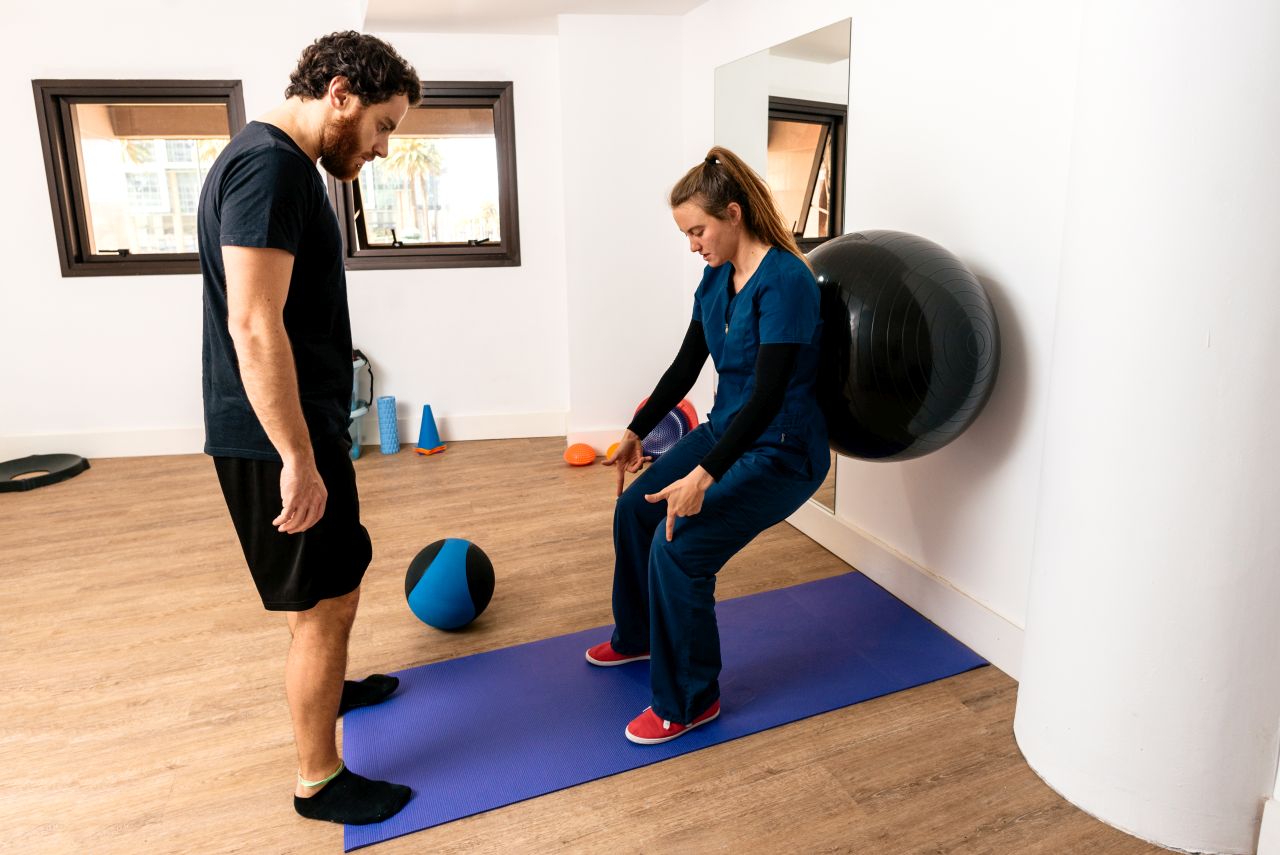
Common examples include resistance exercises with free weights, machines, resistance bands, or bodyweight exercises like squats, push-ups, and lunges.
2. Conditioning (Cardiovascular & Endurance Training)
Conditioning, or cardiovascular/endurance training, focuses on improving the efficiency of the heart, lungs, and vascular system. Benefits supported by research include:
• Improved cardiovascular health, lowering blood pressure, and reducing the risk of heart disease.
• Enhanced muscular endurance, allowing for better performance in daily activities and sports.
• Increased energy expenditure, supporting fat loss and weight management.
Conditioning exercises can range from running, cycling, swimming, rowing, to high-intensity interval training (HIIT), which combines cardiovascular effort with short bursts of high-intensity work.
3. Balance Training
Balance training focuses on proprioception, the body’s ability to sense its position in space and neuromuscular control. Strong evidence suggests that balance training:
• Reduces the risk of falls and injuries, particularly in older adults
• Improves athletic performance, enhancing agility, coordination, and stability during dynamic movements
• Supports rehabilitation, aiding recovery from ankle, knee, or hip injuries by retraining stabilizing muscles
Balance exercises include single-leg stands, stability ball exercises, Bosu ball training, and dynamic activities like lunges or step-ups with controlled movement.
Putting It All Together
While each type of training has unique benefits, combining strength, conditioning, and balance yields the best results. Research shows that multi-component exercise programs:
• Enhance functional fitness, making daily activities easier and safer
• Reduce chronic pain and musculoskeletal complaints, especially in the lower back and knees
• Improve overall quality of life by supporting physical independence, confidence, and mental health
Takeaway
Incorporating strength, conditioning, and balance training into your routine is not just for athletes, it’s essential for anyone who wants to maintain function, prevent injury, and age healthily. Start gradually, focus on proper form, and progressively challenge yourself across all three domains. Your body and your future self will thank you.
Ready to start your recovery journey?
Book an assessment with our expert physiotherapists today.
