

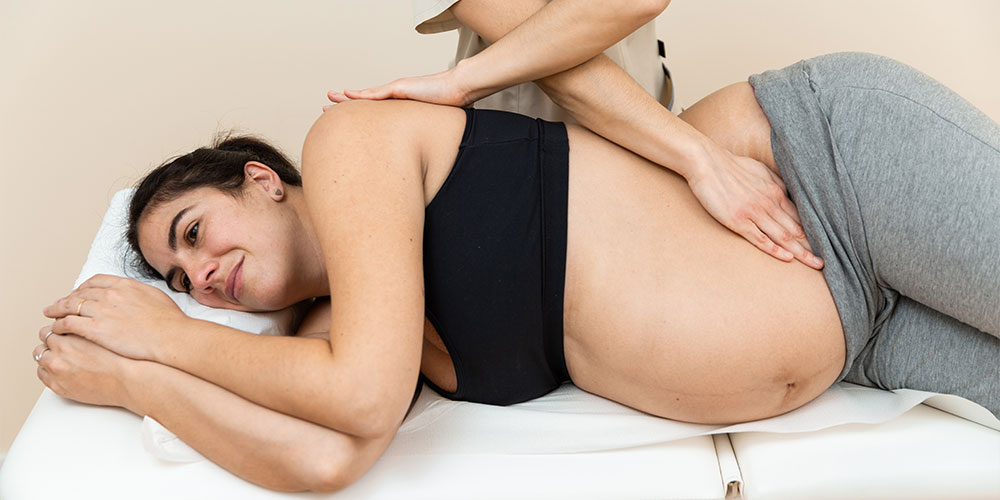
Pregnancy is an exciting time, but it can place extra stress on the sacroiliac joint (SIJ)—the small yet mighty joint that links your spine to your pelvis. Up to one in four expectant or new mums experience sacroiliac joint dysfunction, leading to sharp buttock pain, pubic discomfort or even sciatic‑type symptoms. Happily, a few targeted strategies can settle things down quickly.
What is the Sacroiliac Joint?
• The SIJ sits where the base of your spine meets your pelvic bones.
• Its job is to transfer load between your upper body and legs, keeping the spine from bearing everything alone.
• Strong ligaments and deep gluteal and core muscles stabilise the joint. When they become lax or overworked, pain follows.
Typical Symptoms of SIJ Dysfunction
Symptom – Where/When You Might Feel It
Dull or sharp pain low in the back or buttocks – Standing up, rolling in bed
Pubic or groin discomfort – Turning over, walking uphill
Nerve‑type pain shooting down the leg – Climbing stairs, twisting
“Locking” or giving‑way sensations – Sudden movements
Why Does SIJ Pain Flare in Pregnancy?
1. Hormonal laxity – Higher levels of relaxin and oestrogen loosen supporting ligaments; sometimes one side becomes laxer than the other, forcing the opposite joint to over‑work.
2. Postural changes – As your bump grows you may adopt a deeper lumbar arch, increasing SIJ stress.
3. Extra weight – Natural pregnancy weight gain means every step loads the pelvis more.
4. Prolonged sitting or standing – Long office days or queues add compressive forces that irritate the joint.
Five Proven Ways to Ease SIJ Pain
1. Book a Chartered Physiotherapist appointment
A physio will confirm the diagnosis, teach safe exercises and may fit a pelvic support belt if indicated.
2. Heat or Ice—whichever calms your body
• Wrap an ice pack in a thin towel and apply for 10–15 minutes.
• Or rest a warm (not hot) water bottle over the joint for similar periods.
3. Move little and often
• Alternate sitting and standing every 30 minutes.
• Gentle walks keep hips mobile without overloading the joint.
4. Activate your deep core and glutes
• Try pelvic tilts, clamshells and seated marches.
• Start with two sets of ten and progress as tolerated.
5. Modify daily tasks
• Step into the car bottom‑first, keeping knees together.
• Climb stairs one step at a time, leading with the stronger leg.
Tip:
Keep a pain diary to spot triggers and celebrate progress.
When to Seek Urgent Help
If you notice numbness in the groin, loss of bladder control, or pain that stops you walking, contact your GP or midwife immediately.
Key Takeaways
• SIJ pain is common in late pregnancy and early post‑partum life.
• Hormones, posture and extra load all play a role.
• Early assessment plus simple self‑care—heat/ice, targeted exercises and activity tweaks—usually settle symptoms swiftly.
• Don’t suffer in silence; evidence‑based help is available.
Ready to start your recovery journey?
Book an assessment with our expert physiotherapists today.
