

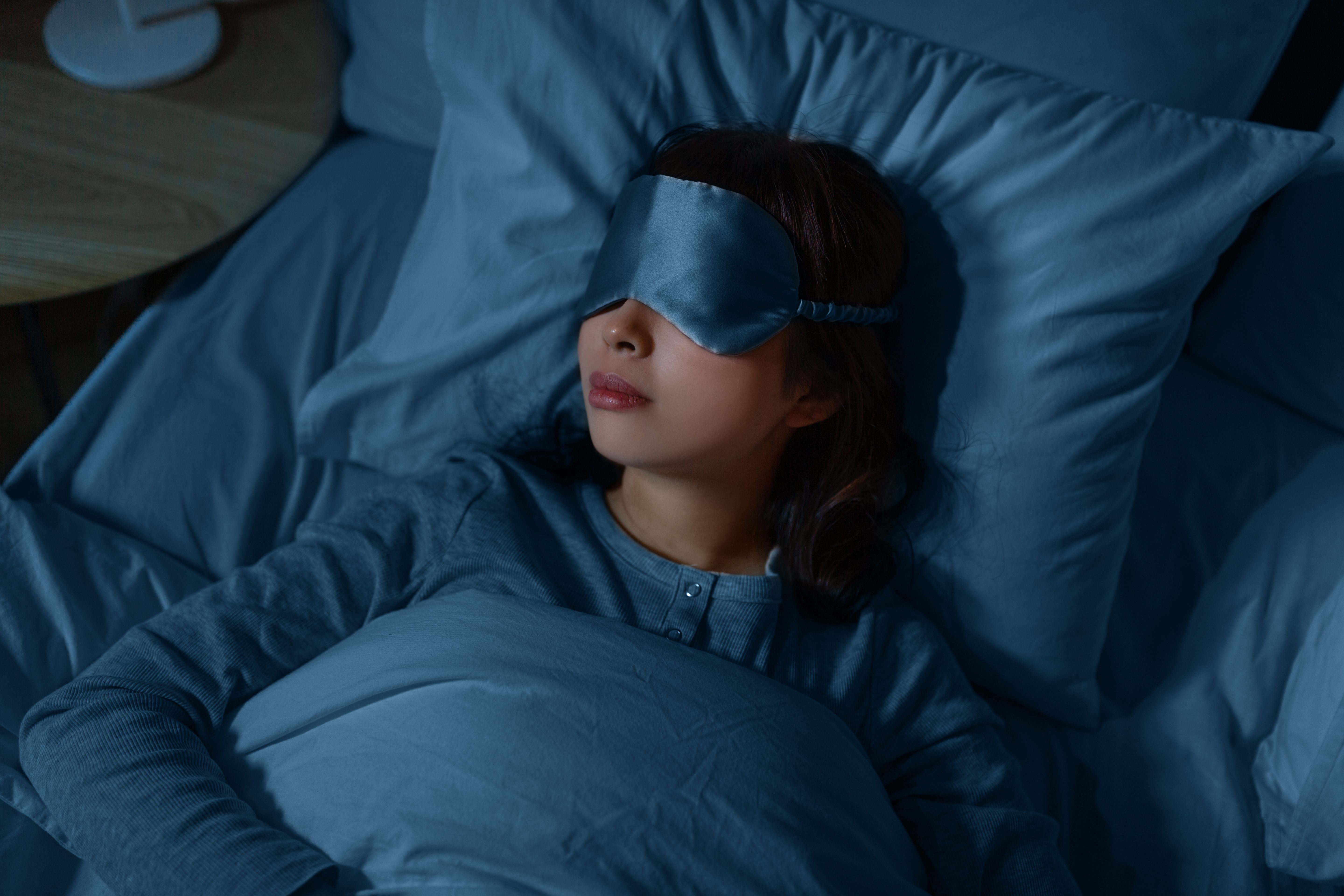
Why Sleep Matters More Than You Think
With prolonged stress and digital overstimulation increasing globally, both the quality and quantity of sleep are heavily compromised. According to NHS guidelines, healthy adults require 7 to 9 hours of sleep per night. Yet, its role in recovery is hugely overlooked.
Recovery is multifactorial, but without sufficient sleep, even nutrition, hydration, physical activity and clinical intervention efforts are markedly reduced. Sleep deprivation is tied to the top five leading causes of death worldwide, like cardiovascular disease and strokes, along with psychopathological disorders including anxiety and depression.
What Happens When You Don’t Sleep Enough
Sleep deficit can be either acute (a few nights) or chronic (lasting over three months). Either way, it adds to something called allostatic load – cumulative wear and tear on the body’s systems due to excess stress, reducing its bandwidth to heal. Lack of sleep can also cause persistently elevated cortisol levels (the body's primary stress hormone) which, in turn, affects sleep. This loop can quickly spiral if not managed. Poor sleep increases the risk of microsleeps and affects coordination and reaction speeds. These can become particularly dangerous, especially during everyday activities like driving.
Your body runs on an internal, 24-hour clock sleep cycle (circadian rhythm) with consequences spanning more than just feeling tired when affected. This cycle regulates many recovery mechanisms, along with hormone release and immune system responses. Sustaining healthy sleep patterns assists with maintaining neuroplasticity – the brain’s ability to form new connections. This helps with movement, mood and pain regulation, and other cognitive functions.
Sleep Is When Your Body Does the Work
Sleep is not just rest. Rather, it is an active period for growth and repair of tissues and pathways involving body detoxification, where body waste is removed. It also prevents accumulation of toxic substances that can cause neurodegenerative diseases like Alzheimer’s. It helps boost immunity by producing small proteins called cytokines, supporting infection and inflammation control.
Bad Habits That Disrupt Your Sleep
And then there is doom-scrolling and gaming, we’ve all been there. That bad late-night habit after a long day, or first thing in the morning, reaching for your phone thinking: “What did I miss?” or “Let me get a game in”. These seemingly small behaviours accumulate, especially due to blue light exposure. This light disturbs several vital stages of sleep and melatonin release (a sleep “initiator” and regulator).
Simple Changes That Help You Sleep Better
Now you know why hitting the recommended sleep threshold matters, here are some simple tips you can apply:
• Reduce evening blue light exposure by not using electronics before sleep – this delays your circadian rhythm, pushing back natural sleep onset (phase delay).
• Avoid screens for at least 60 minutes before sleeping.
• Opt for low-stimulus activities - gentle practices include breath work, journaling and stretching.
• Keep your sleep and wake times consistent.
• Turn on dim lighting in the evening – harsh lighting suppresses melatonin release.
• Avoid any large meals, caffeine or alcohol – this improves digestion and regulates heart rate.
• Exercise during the day – Aim for 150 minutes of moderate or 75 minutes of vigorous exercise per week. Avoid any exercise at least 4 hours before bed.
• Start applying these simple strategies tonight, and feel the lasting benefits of deep, restorative sleep on your physical recovery, emotional resilience, and mental clarity.
Ready to start your recovery journey?
Book an assessment with our expert physiotherapists today.
