

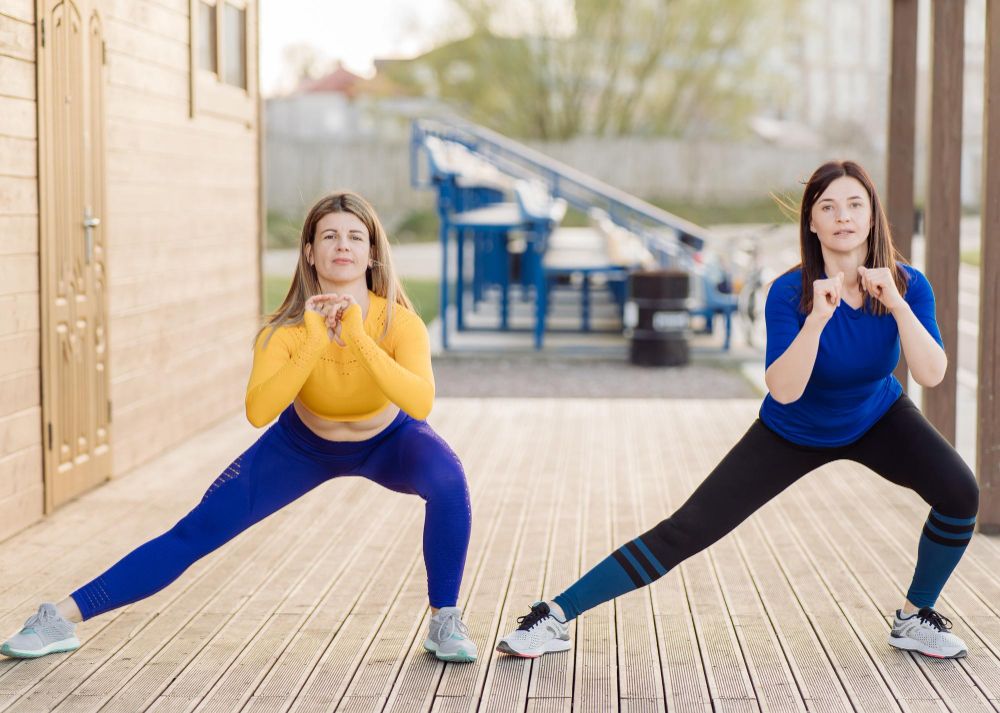
As the New Year approaches, many of us feel motivated to set fresh goals starting running, joining a gym, taking up swimming, or simply becoming more active. While this enthusiasm is a great first step, one key element is often overlooked: a proper warm-up.
Whether you’re returning to exercise after a long break or starting something completely new, warming up correctly can make a significant difference to your performance, recovery, and most importantly injury prevention.
Why Is a Warm-Up So Important?
A warm-up prepares your body for physical activity by gradually increasing your heart rate, blood flow, and muscle temperature. This helps your muscles, joints, and nervous system work more efficiently during exercise.
Skipping a warm-up can increase the risk of:
• Muscle strains and ligament injuries
• Joint stiffness and reduced movement control
• Poor exercise performance and early fatigue
A well-structured warm-up, on the other hand, helps improve mobility, coordination, and confidence especially when starting a new routine.
What Makes a Good Warm-Up?
An effective warm-up doesn’t need to be long or complicated. Around 8–12 minutes is usually enough. The key is to focus on movement, not static stretching.
A good warm-up should include three main components:
1. Gentle Cardiovascular Activation
Start by gradually increasing your heart rate. This gets blood flowing to your muscles and prepares your body for movement.
Examples include:
• Brisk walking or light jogging
• Cycling at an easy pace
• Skipping or marching on the spot
This phase should feel comfortable you should be slightly warm but not out of breath.
2. Dynamic Mobility Exercises
Dynamic movements help loosen joints and improve range of motion, which is especially important if you’ve been sitting for long periods during the day.
Useful movements include:
• Arm circles and shoulder rolls
• Hip circles
• Trunk rotations
• Ankle mobility movements
These exercises help prepare joints that are commonly stressed during running, gym workouts, and sports activities.
3. Muscle Activation and Control
This stage “wakes up” key muscle groups so they can support your joints properly during exercise.
Examples include:
• Bodyweight squats or sit-to-stands
• Lunges (forward or walking)
• Glute bridges
• Calf raises
For running or gym-based training, focusing on hips, knees, ankles, and core muscles is particularly important.
Warm-Up Tips for Popular New Year Activities
Running:
Prioritise hip mobility, glute activation, and ankle control. A gradual build-up in pace is essential, especially if you’re new to running.
Gym training:
Warm up the muscles you plan to train that day. For example, if it’s a leg session, focus on hips, knees, and calves before adding weights.
Swimming:
Dry-land warm-ups are often forgotten. Shoulder mobility, upper-back movement, and gentle arm swings can help protect the shoulders.
Group fitness or classes:
Even if the class includes a warm-up, arriving a few minutes early to get moving can help your body adjust more comfortably.
Common Mistakes to Avoid
• Skipping the warm-up because you’re short on time
• Doing long static stretches before exercise
• Starting at full intensity straight away
• Copying exercises without understanding your own limits
Remember, everyone’s body is different. What works for one person may not be right for another.
Start Smart, Stay Active
New Year fitness goals are exciting, but sustainability is key. Warming up properly helps your body adapt, reduces injury risk, and keeps exercise enjoyable so you’re more likely to stick with it long-term.
If you’re unsure how to warm up correctly, returning from injury, or experiencing pain when exercising, a physiotherapist can help guide you with an individualised plan suited to your goals.
At Xcel Health, we focus on keeping you moving safely and confidently whether you’re starting fresh this January or building on an existing routine.
Make warming up part of your resolution. Your body will thank you.
Ready to start your recovery journey?
Book an assessment with our expert physiotherapists today.
