

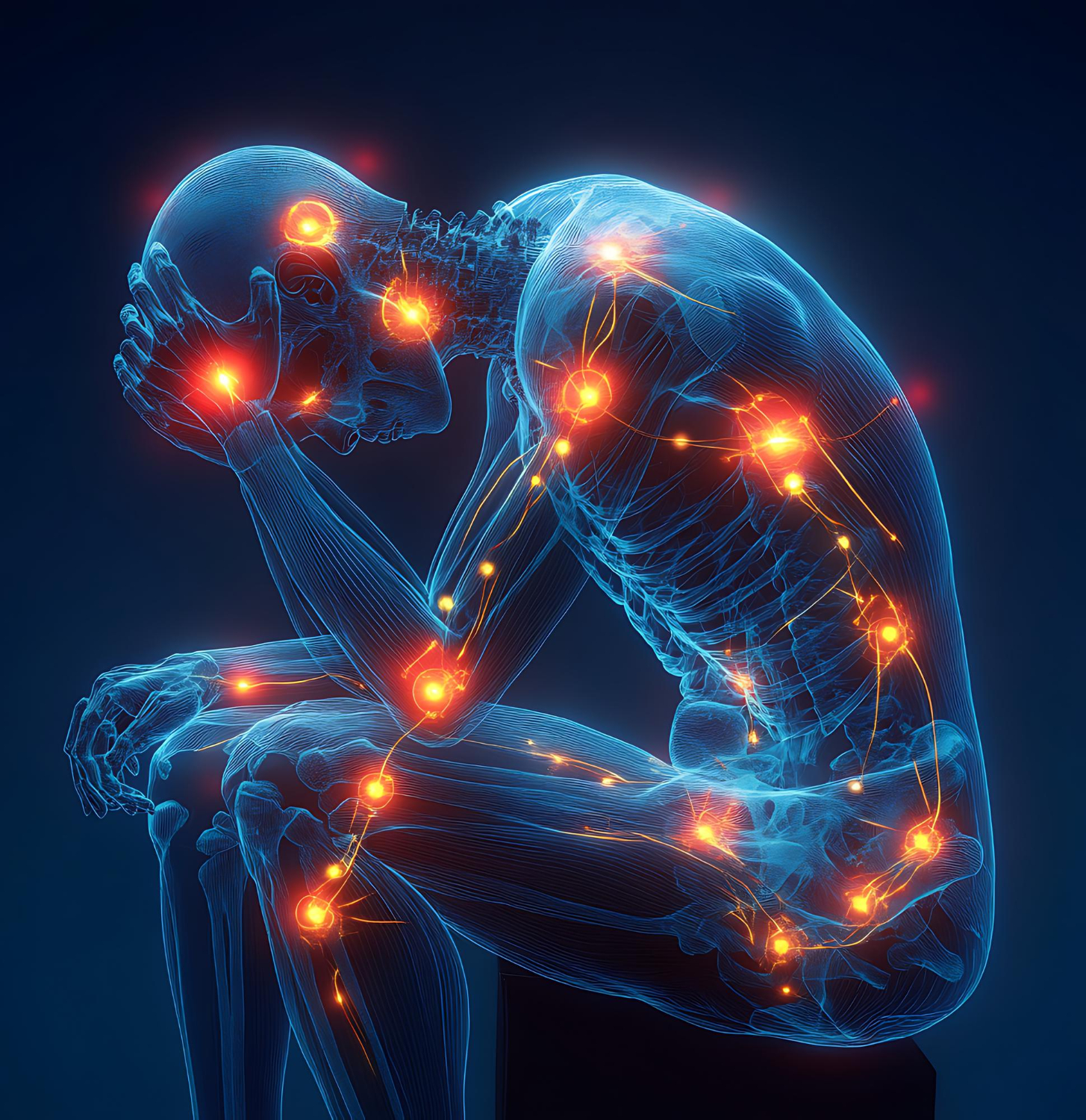
Helping Patients Understand Pain to Improve Recovery
Pain is more than just a symptom—it’s a complex experience shaped by biological, psychological, and social factors. For patients with persistent or unexplained pain, traditional biomedical explanations often fall short. That’s where Pain Neuroscience Education (PNE) steps in.
🧠 What Is Pain Neuroscience Education?
Pain Neuroscience Education is an approach used by physiotherapists to help patients understand the science behind their pain—how it’s processed in the nervous system, and why pain can sometimes persist even after tissues have healed. It helps shift the narrative from “something is damaged” to “my nervous system is sensitised.”
Why Is It Important?
PNE changes the way patients perceive their pain, reducing fear and catastrophisation. Research shows that when patients understand their pain better, they:
• Feel more in control
• Experience less fear of movement
• Are more likely to engage in exercise and rehabilitation
• Show improved outcomes in chronic MSK conditions like low back pain, fibromyalgia, and tendinopathies
How Do Physiotherapists Use PNE?
Physiotherapists integrate PNE through:
• Simple explanations of how pain is processed in the brain and spinal cord
• Analogies (e.g. “pain as a smoke alarm” that is too sensitive)
• Diagrams or metaphors to illustrate sensitisation or nerve hypersensitivity
• Linking pain education to movement strategies, goal setting, and graded exposure
🏃 PNE + Movement = Recovery
Education alone isn’t enough. The power of PNE lies in pairing it with active rehabilitation:
• Gentle, graded movement helps desensitise the nervous system
• Functional exercises promote confidence and body trust
• Breathwork, pacing, and sleep hygiene are often added to support recovery
Real-Life Example:
A patient with chronic shoulder pain may believe that every movement causes more “damage.” With PNE, the physiotherapist explains that while the shoulder is structurally sound, the nervous system is still protecting the area. Once the patient understands this, they may feel safer to begin controlled movement—reducing pain and increasing function.
Empowering Patients Through Knowledge
Pain Neuroscience Education doesn’t just treat the pain—it treats the person. It promotes self-efficacy, trust, and long-term coping strategies. At Xcel Health, we blend evidence-based movement therapy with education, giving our patients the tools, they need to take charge of their recovery.
Ready to start your recovery journey?
Book an assessment with our expert physiotherapists today.
